










This is technically my first Riftbound article. Yes, I've written articles commenting on the troublesome launch, but those aimed to cover the broader scope of card games and how Riot's game positions itself in the market, what mistakes need to be addressed, and what advantages it offers—it's a role of commentator and analyst that I play both here and in the videos on the Cards Realm YouTube channel—but this is the first article that aims to bring something specific to the community.
For practical purposes, allow me a brief introduction to my background: I've been playing card games since 2006, starting with Yu-Gi-Oh! during the famous animation craze at the time, migrating to Magic: The Gathering in 2008, where I haven't left, but I've played other card games during this period, especially Flesh and Blood and also Legends of Runeterra.
Between 2017 and 2020, I was one of the organizers of Pauper Masters, a Magic: The Gathering event in Rio de Janeiro, and I've been producing content for Cards Realm since 2020, where I started by covering Pauper and currently cover almost all formats and topics of the Wizards of the Coast card game. I'm also the host of our YouTube channel and our podcast, where I now argue that card games have the role of social catalysts in a society increasingly distanced by the conveniences of the digital age.
My practical experience with Riftbound began this November. At the time of writing this article, there were two release events, one Learn to Play event, three Nexus Nights, and a dozen unofficial in-store games to test decks and understand mechanics—my goal with the community is to bring the same kind of work I do with Magic: The Gathering, with deck guides, opinions, Metagame analysis, reviews, and more.
Despite all the criticism regarding the low availability of the product and, especially, how the launch of Riftbound was riddled with controversy in Brazil, I can't deny that all the elements of the game fascinate me: the quality of the material is good, the mechanics are fun, the "fix" to the mana system makes the gameplay less frustrating, and there's plenty of room for creativity in the TCG: a fertile and fun ground for any card game lover.
In this article, however, I want to address something that is not currently in the official rules of the game: as mentioned above, my history with card games includes the Pauper format of Magic: The Gathering, and for many years, I sought to promote the format in Rio de Janeiro by hosting events with prizes to unite the community around the goal of playing a fun, accessible, and, at the time, very diverse format.
Now, given the circumstances I'm seeing, especially in my country, regarding the entry costs of Riftbound, it seems like the right time to try doing the same for the game with Riftpobre.
What is Riftpobre?
Riftpobre (can be translated as "Riftpoor" or "Riftpauper") is an alternative Riftbound format designed for in-store play, aiming to make the League of Legends card game more attractive to players who aren't willing to pay very high costs for their decks and to create an accessible entry point for League of Legends fans and/or those who have never played card games before.
It follows all the concepts and rules of the standard Riftbound format, including the possibility of Best-of-One and Best-of-Three matches, and caters to both single-player and multiplayer modes.
The initial concept of the format presupposes the following conditions and differences compared to Standard:
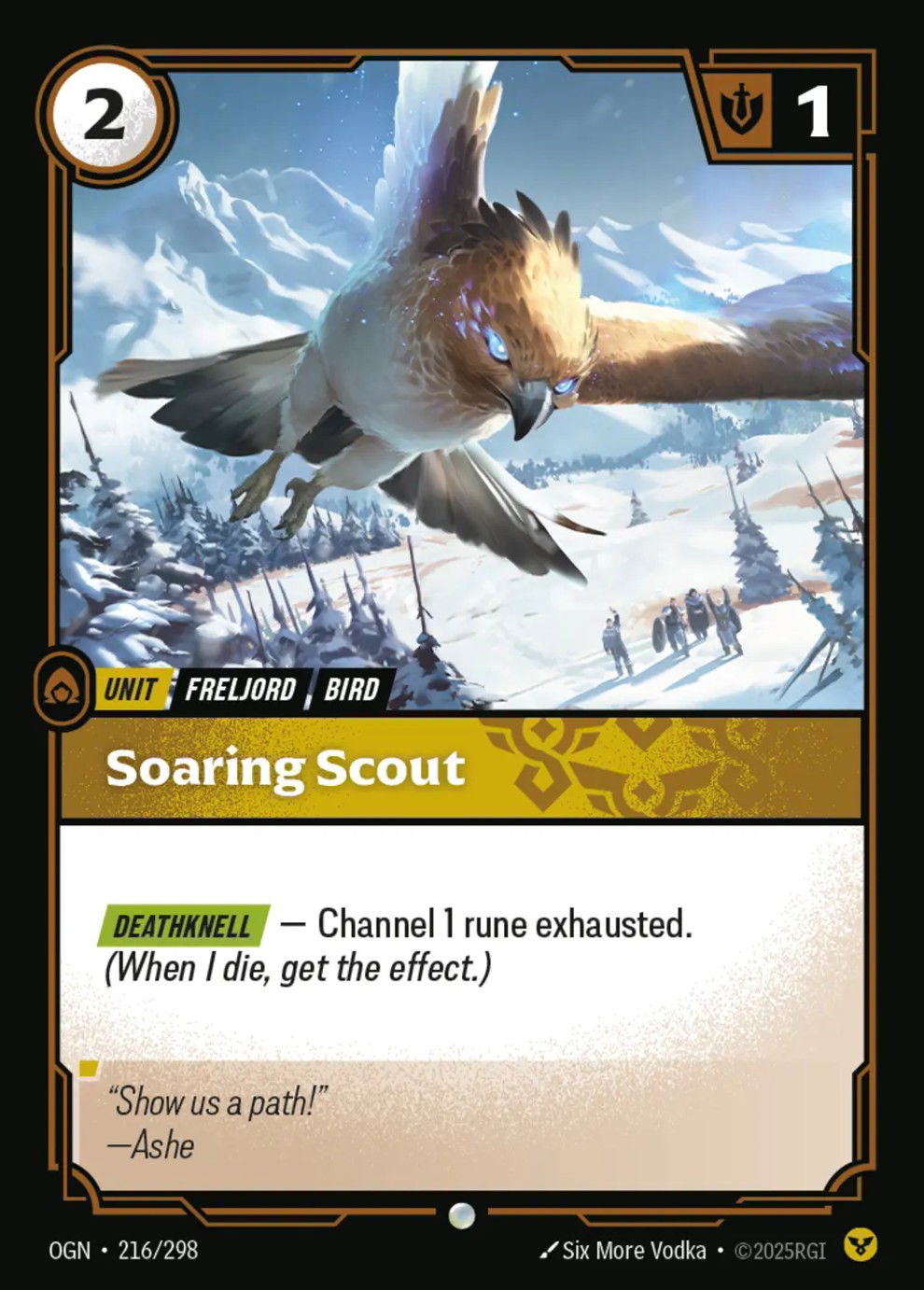
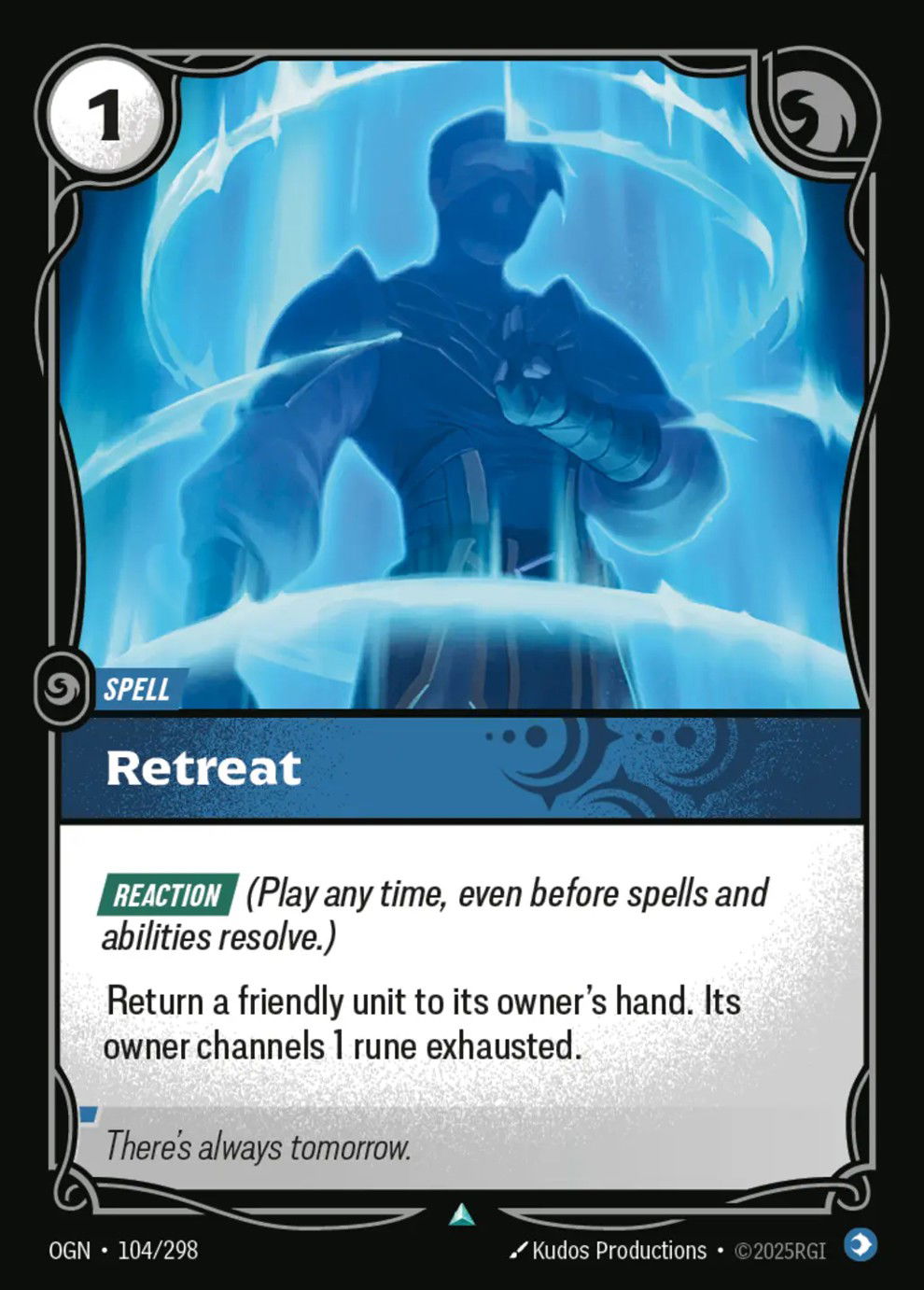
- Cards in the main deck and sideboard must consist exclusively of commons and uncommons. Keeping uncommons ensures good power level balance and more exciting games. Furthermore, while there are no reprints today, it's possible that cards will, at some point, have downshifts from rare to uncommon/common as power creep becomes established over the years—in which case, these will be legal in Riftpobre.
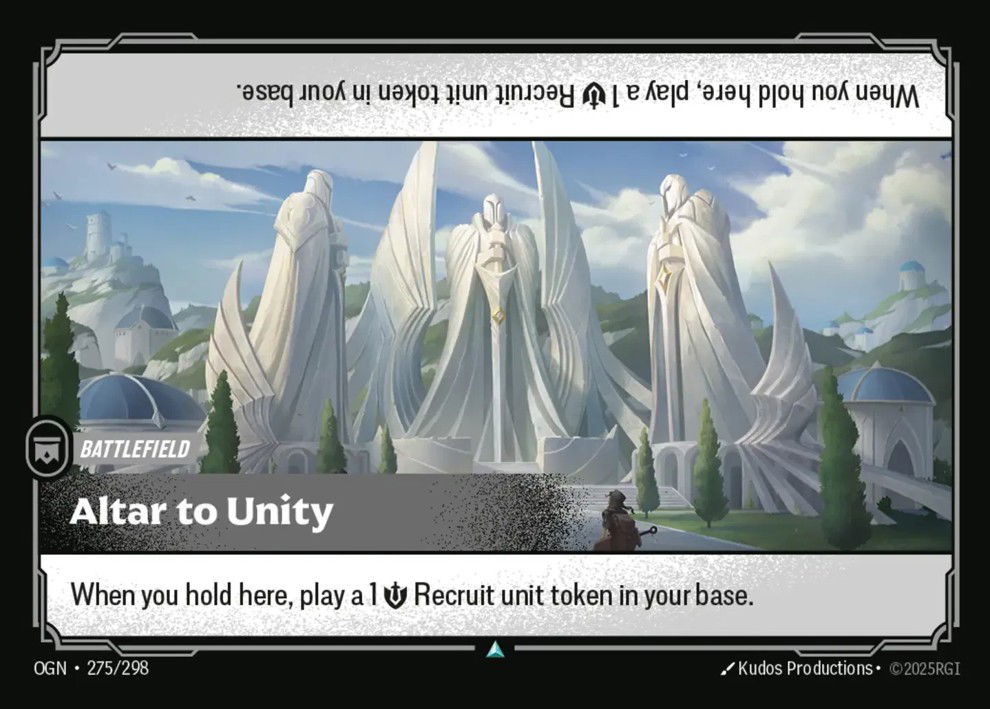
- Battlefields must be common or uncommon. Today, there are no rare or epic Battlefields, but this could change in the future, and if a higher rarity Battlefield has a power level above the average uncommon for a specific deck, the format would suffer from balancing issues.

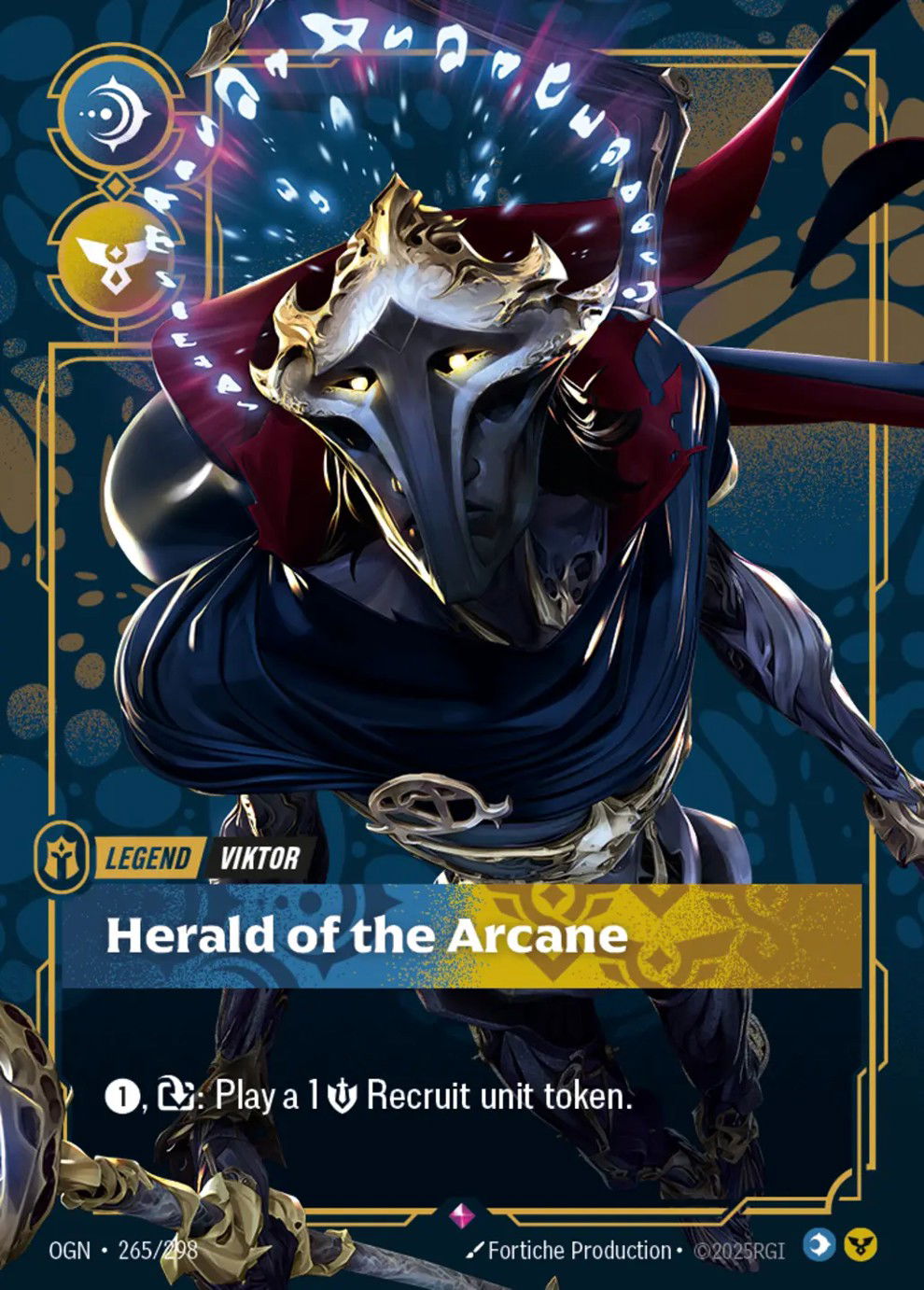
- Legend and Champion Units are the only rare cards allowed. Epic Champions are not allowed. Neither exist in Common or uncommon, and limiting Champions to rares means considerably reducing the investment cost for many archetypes, in addition to balancing the Metagame since some of these units are notoriously better — it's worth remembering: every Legend has its own rare Champion Unit.
- Only one copy of the Champion is allowed in each list, which must be the Chosen Champion Unit. Extra copies are not allowed in the main deck or in the Sideboard. This rule ensures that no deck stands out too much because its rare Champion is much stronger than the others, in addition to creating a greater sense of consequence and urgency in using your Chosen Champion Unit, given that this can be an essential tool to win games.
What are the Pros and Cons?
Pros
Cons
Why Do We Need Riftpobre?
We can divide this question into two answers: costs and community building. Both tend to go in opposite directions for countries with devalued currencies.
The Cost
It must be admitted: at this moment, Riftbound is very expensive for the average consumer. The low production run of the Origins launch, coupled with the high expectations of the card game audience for a "tabletop League of Legends TCG," was the perfect mix for a dozen controversies that ultimately led to the same conclusion—high demand, low supply.
While the race for staples continues relentlessly, the gears of the competitive scene are spinning as fast as possible: major tournaments are already taking place in the West, the Skirmish season is already scheduled, and there are even dates for Regional Tournaments. Riftbound is here to stay, the market is hot, and consequently, prices are sky-high.
Take, for example, the current best Tier 1 deck: Kai'Sa, Daughter of the Void. On average, it costs around US$730, equivalent to more than R$4,000 if we include all the taxes and fees, which directly influence the market value of single cards in countries like Brazil, where the average price of the archetype ranges from the aforementioned R$4,000 to R$5,000 — for comparison, the average value of a competitive Standard deck, the main format of Magic: The Gathering, currently fluctuates between R$2,000 and R$3,500.
The investment cost makes a difference when considering whether it's worth getting into a card game, but other factors such as the potential of the League of Legends brand, gameplay, and material quality also come into play.
We can't pretend that the logic of instead — what reason would make me choose this new game at this cost instead of those I'm already used to or that are already well-established in the market? — doesn't make a difference, especially for countries with more devalued currencies like Brazil, where the minimum wage today is R$ 1,518, while a booster box of Origins has an average price of R$ 1,600.
Even so, card games find a way to exist in the country, and we are the largest consumer audience for TCGs in Latin America. Behind this, there is a vital factor in the equation: Brazilians are creative in how they enjoy games, and formats like Pauper are incredibly popular here because they adapt a mix of understanding the average cost of living in the national market, building communities over the last decade, and a natural acceptance by players of more financially comfortable environments.
It is searching for this same environment for Riftbound that the criteria for an alternative environment around common and uncommon formats, which we've dubbed Riftpobre.
Community Building
Just as Magic: The Gathering has Pauper and Flesh and Blood recently sanctioned Silver Age, creating an alternative—and accessible—format for Riftbound is necessary for the game's growth, especially in Latin America.
As explained above, due to high-demand and low supply, the cost of a Riftbound deck today is notoriously high, especially among epic cards and some rare staples like Thousand-Tailed Watcher, which, combined with the controversies surrounding Proving Grounds, have created a high barrier to entry and little encouragement for some regions, particularly among new players and those who don't necessarily dream of reaching the pinnacle of competitive play.
While the fame and glory of Regionals and World Championships make up a significant portion of the audience, the true potential of card games lies in in-store play. It is in stores that the market moves in the purchase of singles and booster packs, and also where most of the less competitive audience concentrates—those interested in both multiplayer scenarios and 1v1 games. It's also the entry point where the audience less focused on TCGs, and perhaps more geared towards League of Legends, will have their first experiences with Riftbound.
In stores, it's necessary to create inviting environments, with product options and game modes that make people feel less left behind for not investing hundreds or thousands of dollars in pieces of cardboard to have a balanced and competitive experience in their Nexus Nights—it is for this audience that Riftpobre exists.
For them, creating a more financially sustainable scenario that facilitates invitations becomes essential, and for the stores, it's important to have more players willing to play tournaments at their tables. It's also relevant to the overall health of Riftbound that more people are interested in getting into the game, and that the "investment" to start out is low.
One cannot guarantee "low investment" for Standard today, and it may take quite a long time for that to become a possibility—if it ever does—therefore, the development of this format aims to create the gateway to Riftbound. If, after experiencing the "budget" version of the game, the public becomes interested, they can pursue the staples to play at the peak of competitive play, if they so desire.
Riftpobre Decklists
Below are some initial decklists for each of the champions available in the Origins set. Champions and Proving Grounds cards were left out due to the low availability of the product today, but cards like Flash, Vanguard Assistant, and Firestorm are viable options.
Additionally, lists are without sideboards because they require a broader metagame establishment, which, due to the nature of the format, may take longer to form.
Ahri, Nine-Tailed Fox
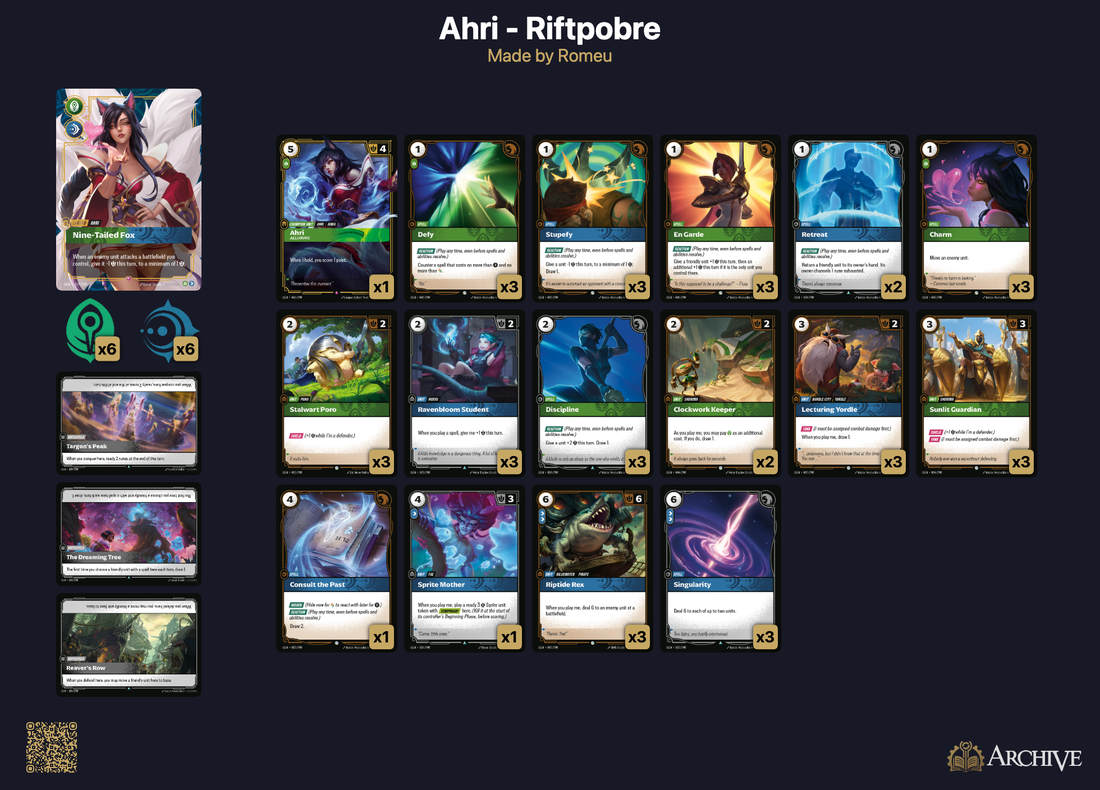
Ahri basically functions as a Control deck, using the champion unit to accelerate the clock while playing En Garde, Stupefy, and Discipline to dominate the showdown. Singularity is a very efficient card in the format, and Ahri is one of the best champions to capitalize on the spell's versatility.
Darius, Hand of Noxus

Darius is a classic Aggro deck: play units, manage the opponent's board using cheap interaction, and dominate the game with Legion triggers, which reduce costs and grant bonuses when playing two cards in the same turn.
Jinx, Loose Cannon
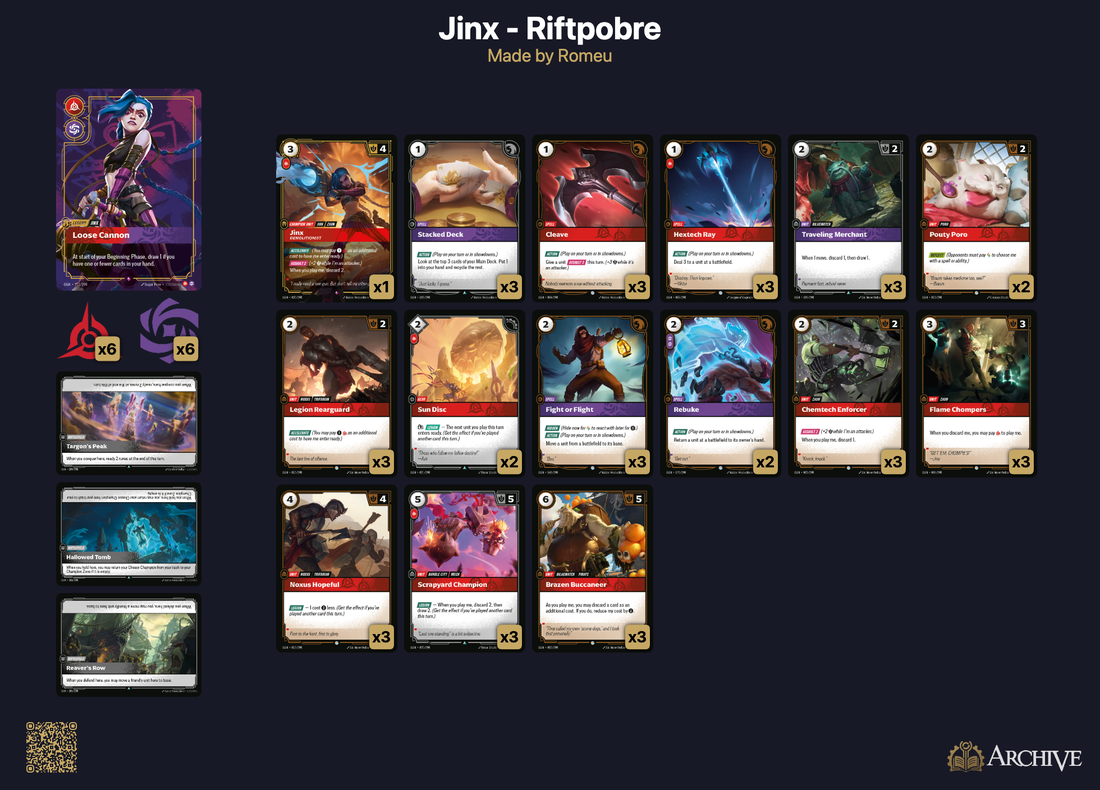
With the absence of good payoffs for discarding, we follow a full Aggro route with Jinx. The goal is to use the discard mechanic to circumvent some costs and empty your hand as quickly as possible to turn the Legend into a recurring source of card advantage while maintaining an aggressive clock throughout the match.
Kai’sa, Daughter of the Void
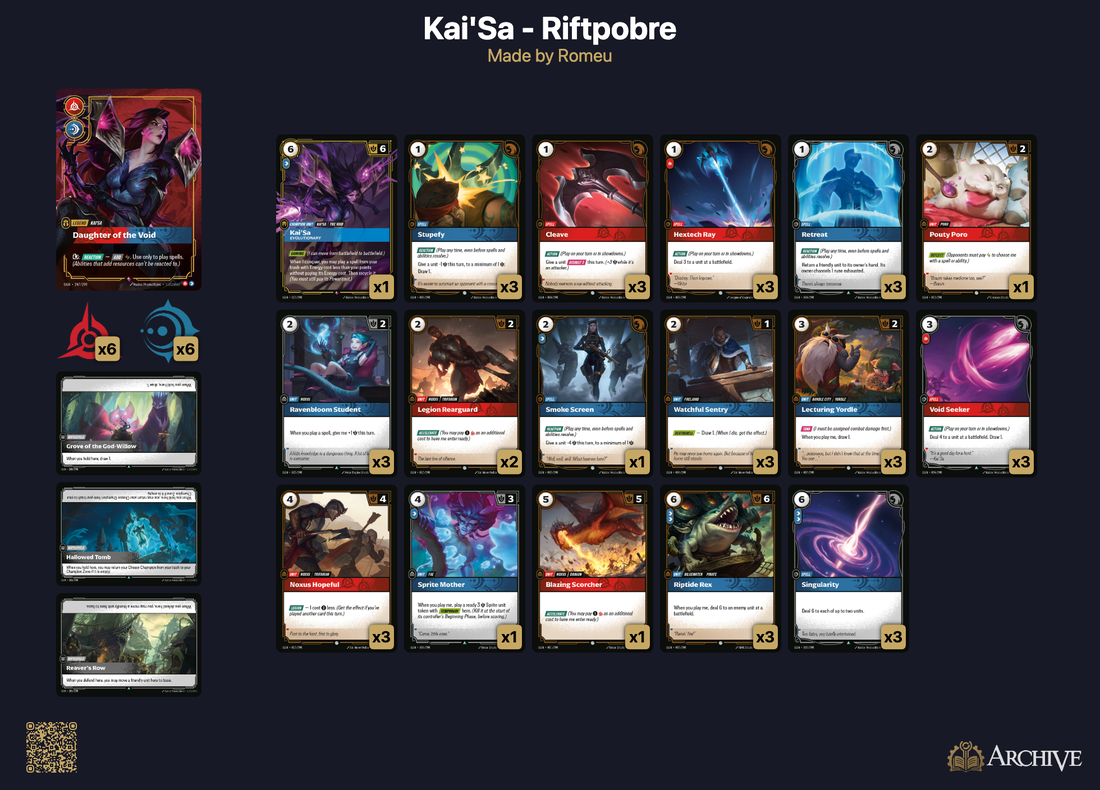
If you play Magic, Kai'sa is somewhere between being the Delver or the Jund of Riftbound. She's essentially a versatile deck that blends effective threats with some of the best removal and interaction combinations in the game today to win the match. Keep the battlefields under control with your spells and advance your units, and you'll likely have the victory.
Lee Sin, Blind Monk
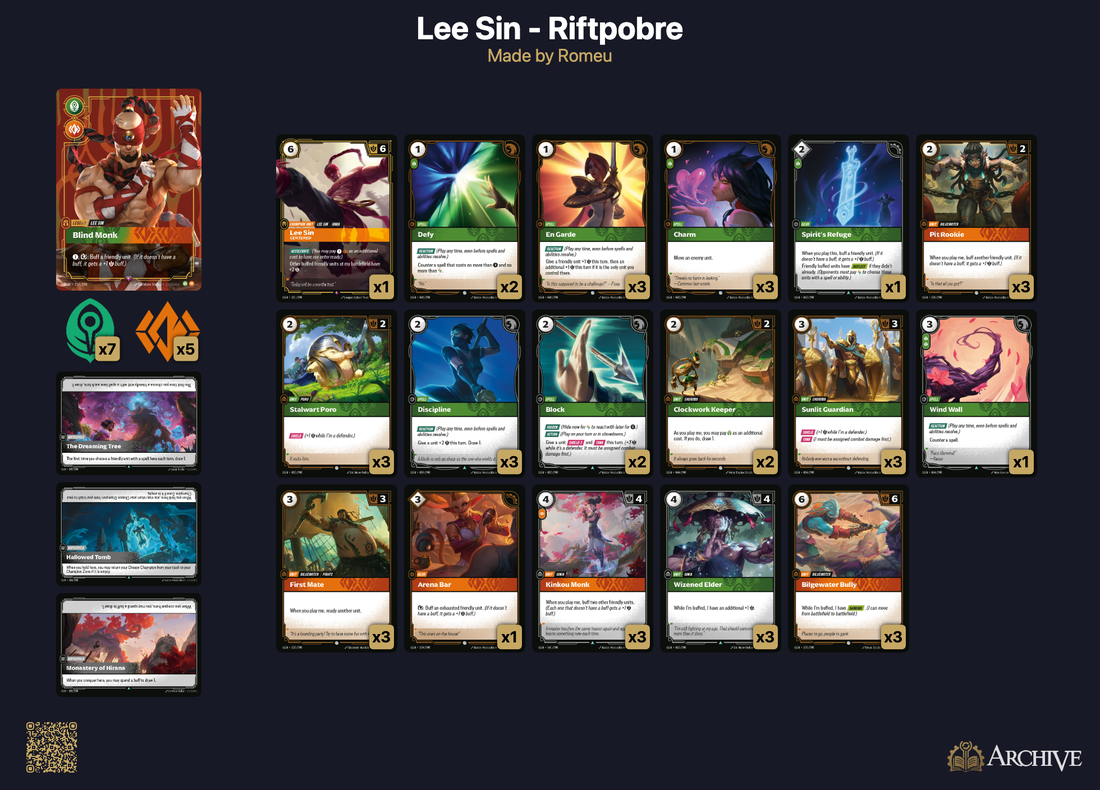
Without access to rares, Lee Sin is a somewhat strange deck, but the focus remains on using Buffs as resources to exert maximum pressure in the match, while cards like Charm and Defy help control the opponent's pace.
Leona, Radiant Dawn
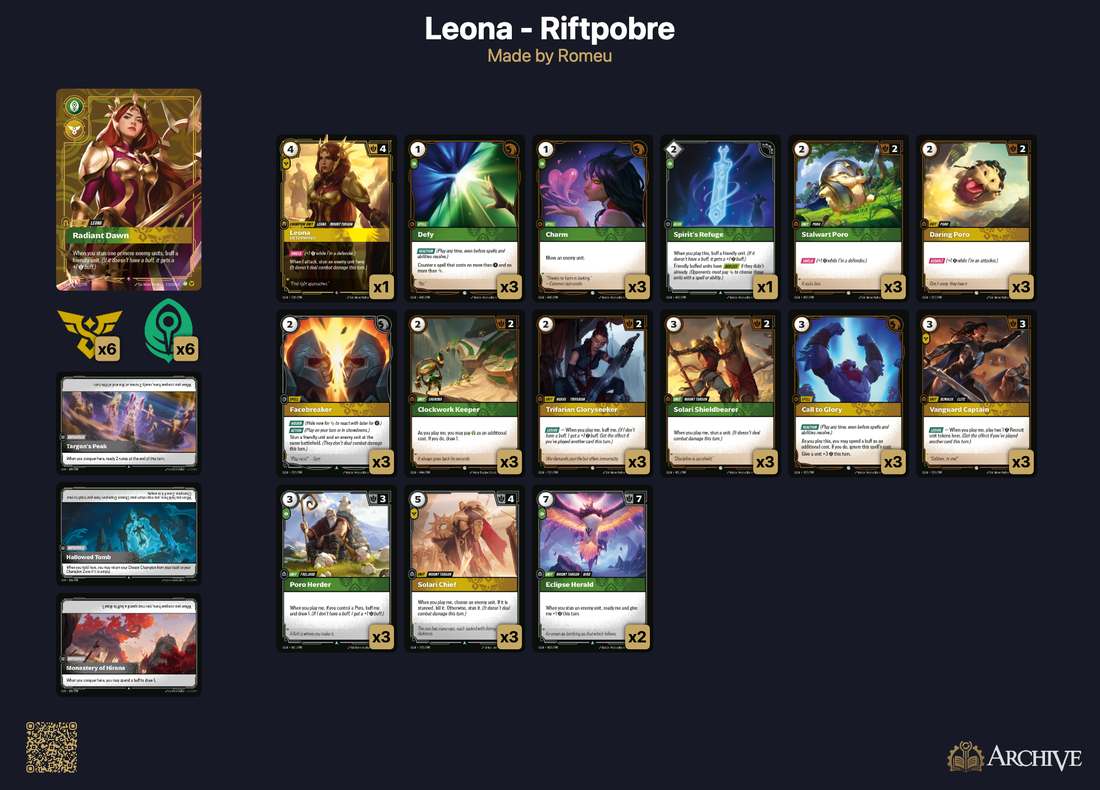
Leona benefits from the Stun mechanic to bolster your units, so we want to be aggressive while using cards around this ability to dominate the game. Like Lee Sin, Leona benefits from Charm and Defy to respond to the opponent.
Miss Fortune, Bounty Hunter
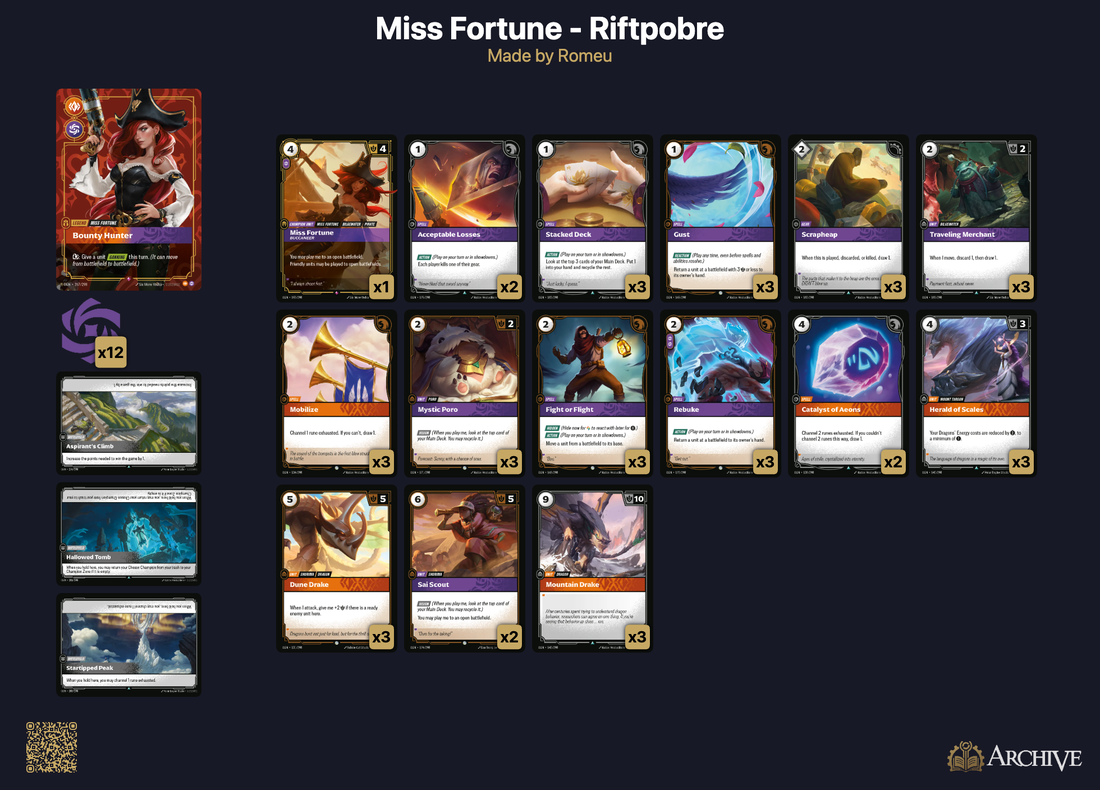
Miss Fortune guarantees Ganking for one unit per turn and favors large units capable of easily dominating a battlefield, making her a Ramp archetype. Interestingly, the common and uncommon Body cards that require Power costs don't do enough to justify adding runes, so our costs are all covered with Chaos Runes. However, we also don't have that many payoffs for Ramp in this color combination today.
Sett, The Boss
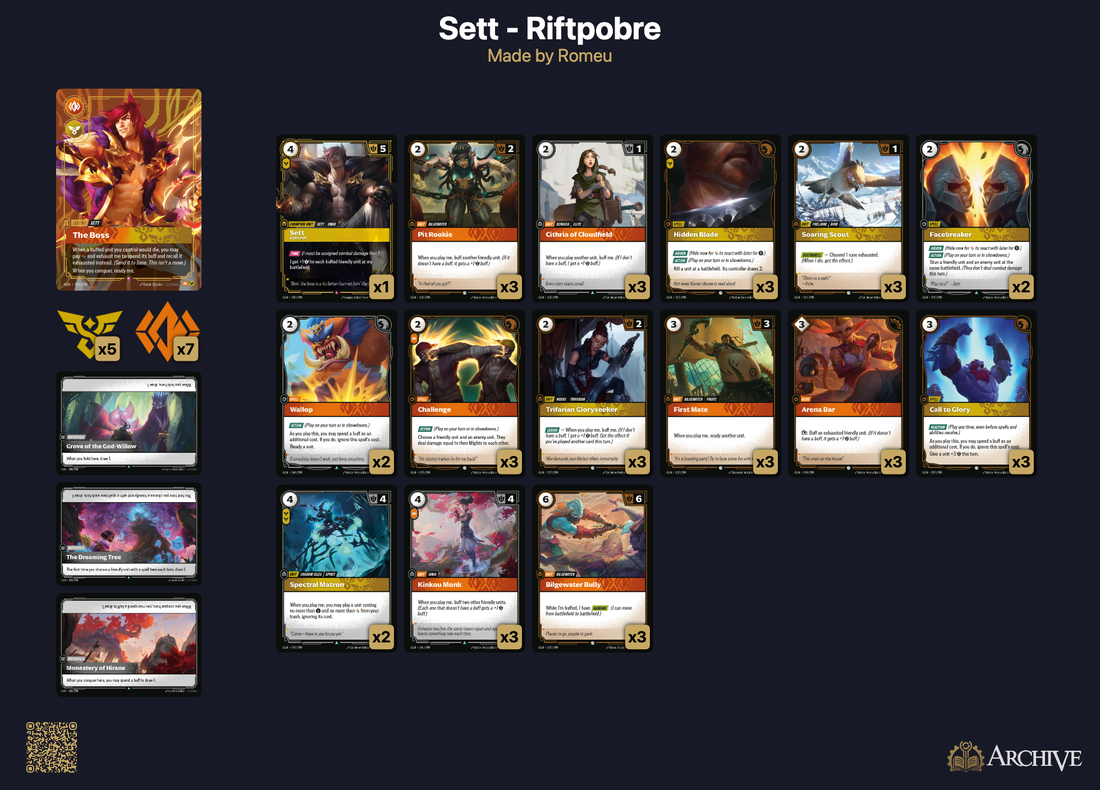
Sett uses buffs to "invalidate" the opponent's trades, making it a good competitor against archetypes with removal while also benefiting from versatile cards like Hidden Blade. One could go further with the subtheme of sacrificing units, but betting on a go wide approach seems like a good starting role.
Teemo, Swift Scout
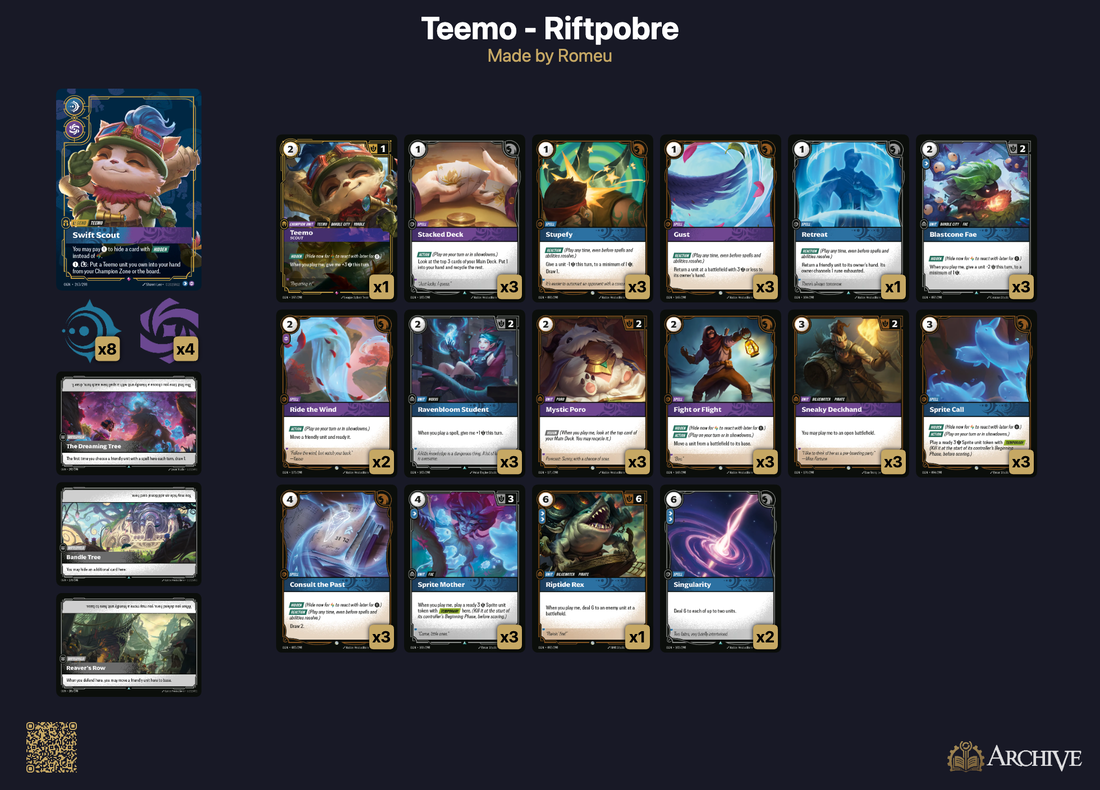
Teemo plays around hiding cards on the battlefield and interacting with the opponent in unexpected ways. The reduced scope of available cards partially hinders the surprise factor of his strategy, but it's a fairly solid archetype that can still be built with some of the cards available in his rune combination.
Viktor, Herald of the Arcane
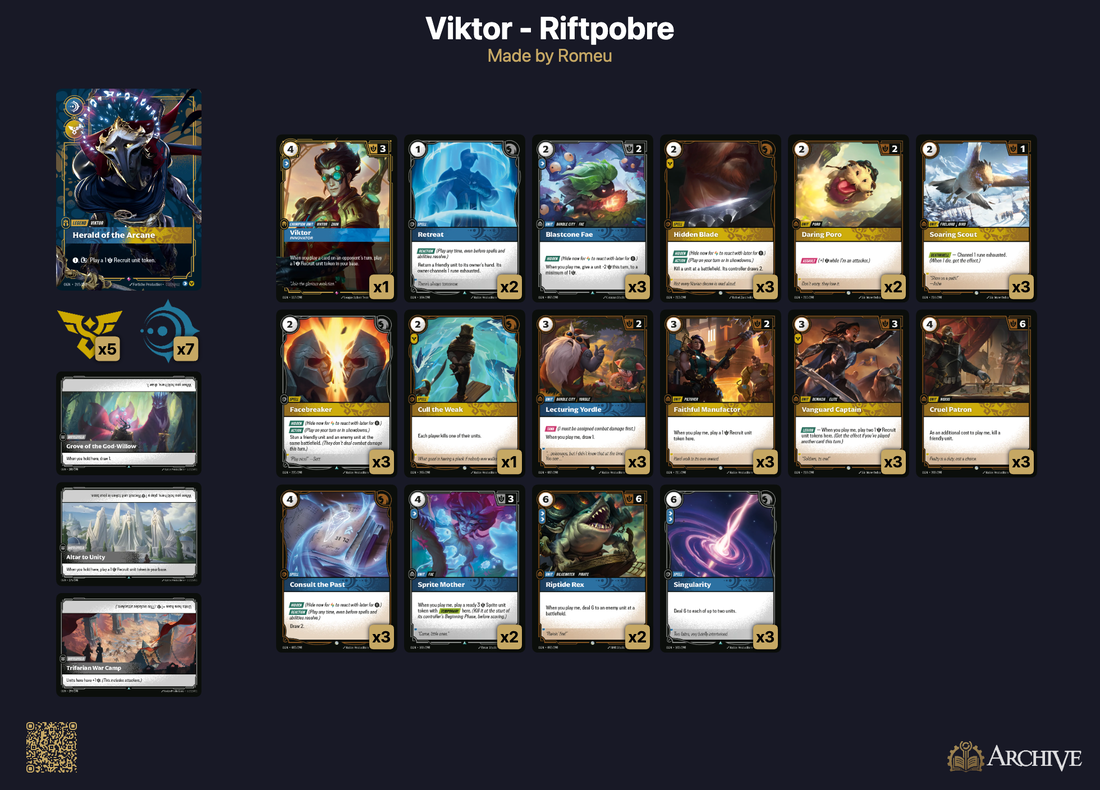
Viktor ends up being a more efficient "Hidden" deck than Teemo in the format because of the champion unit that cares about playing spells on the opponent's turn, combined with a late-game plan that benefits from Hidden Blade as a source of card advantage. Potentially the best deck in the format today, if built and piloted correctly.
Volibear, Relentless Storm
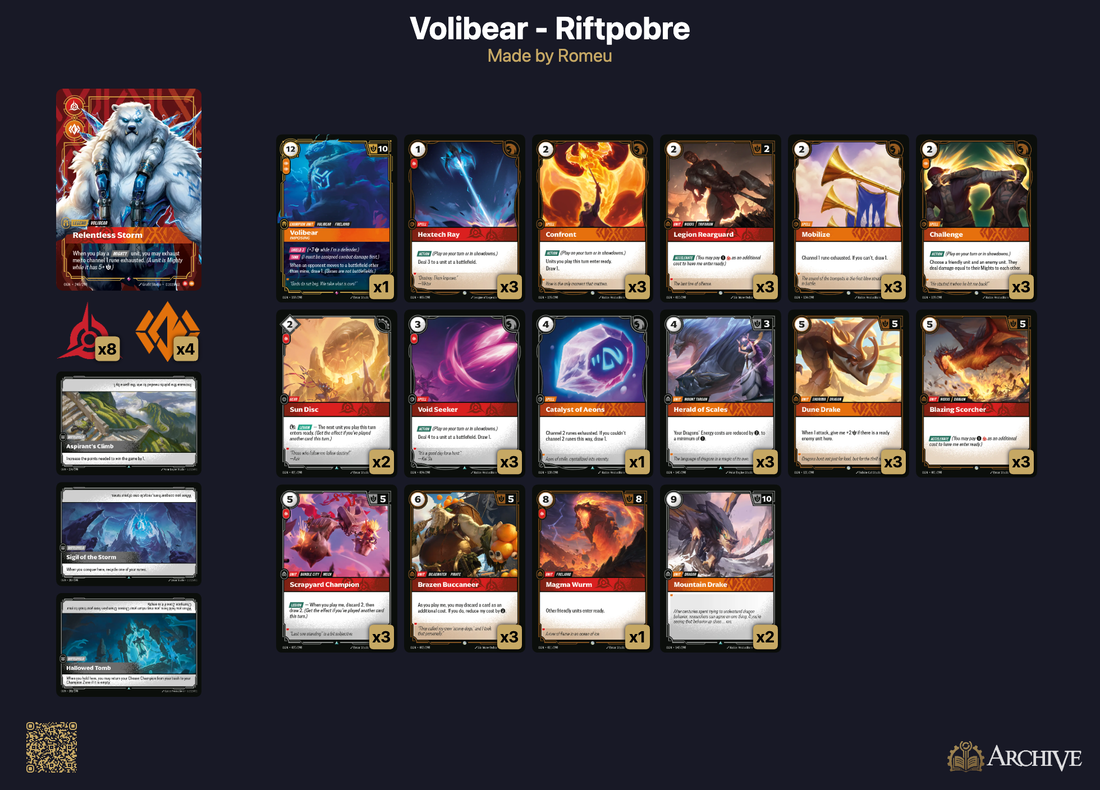
Volibear tends to be a more efficient Ramp in the Riftpobre because he has Blazing Scorcher as another dragon to interact with Herald of Scales, while his Rune combination also ensures more consistency in interacting with the board by having other more aggressive units followed up by efficient removals.
Yasuo, Unforgiven
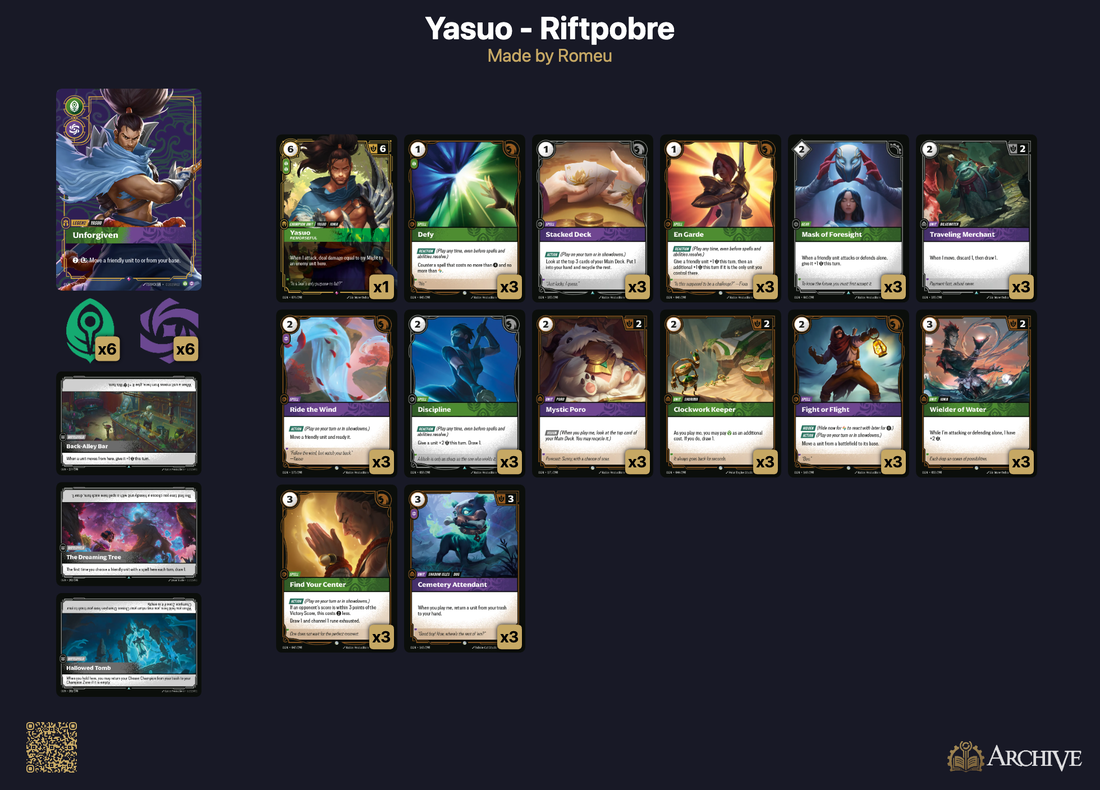
Yasuo is another strange deck without rares and epics, being a bit too reliant on the champion unit and cards like Wielder of Water to establish an advantage in the match. Therefore, we focus the archetype on ramping and finding key cards faster and preparing the ground to dominate battlefields repeatedly, while Cemetery Attendant allows you to reuse the most important units if they are destroyed.
Wrapping Up
That's all for today!
If you have any questions, feel free to leave a comment!
Thank you for reading!







 Sign in and join the conversation
— Comments 0
, Reactions 1
Be the first to comment